What Does It Mean If My Volkswagen Transmission Is Going Into Limp Mode?
What Does It Mean If My Volkswagen Transmission Is Going Into Limp Mode?
When a transmission enters limp mode, it usually points to a mechatronics unit failure or transmission fluid degradation rather than a simple sensor issue, particularly when diagnostic codes show up. Our technician installed a new OEM mechatronics unit and completed the required programming using Volkswagen's factory diagnostic tools to restore normal transmission operation and properly calibrate the vehicle's systems.
Vehicle: 2022 Volkswagen Taos
Issue: Transmission entered limp mode with a warning light on
Problem: Diagnostic testing identified a fault in the mechatronics unit that could not be corrected through recalibration alone
Solution: Replace the OEM mechatronics unit and complete factory-level programming
Location: Peak Euro in Bend, Oregon
Have You Noticed These Symptoms in Your Volkswagen?
Transmission limp mode may seem to happen suddenly, but your Volkswagen may display several warning signs before or when it is activated. You might see a transmission warning light, experience rough or delayed shifting, or feel a sudden reduction in power while accelerating.
Some drivers notice unusual transmission noises, hesitation when changing gears, or a vehicle that feels sluggish and slow to respond. This protected operating mode is designed to limit performance when the vehicle detects a problem that could cause additional damage.
These symptoms can be related to the mechatronics unit, but they may also be caused by fluid condition, wiring, sensors, software, or another transmission component. A professional diagnostic inspection is needed to identify the actual source of the problem.
Comprehensive Assessment of the Transmission Mechatronics Unit on This Volkswagen Taos
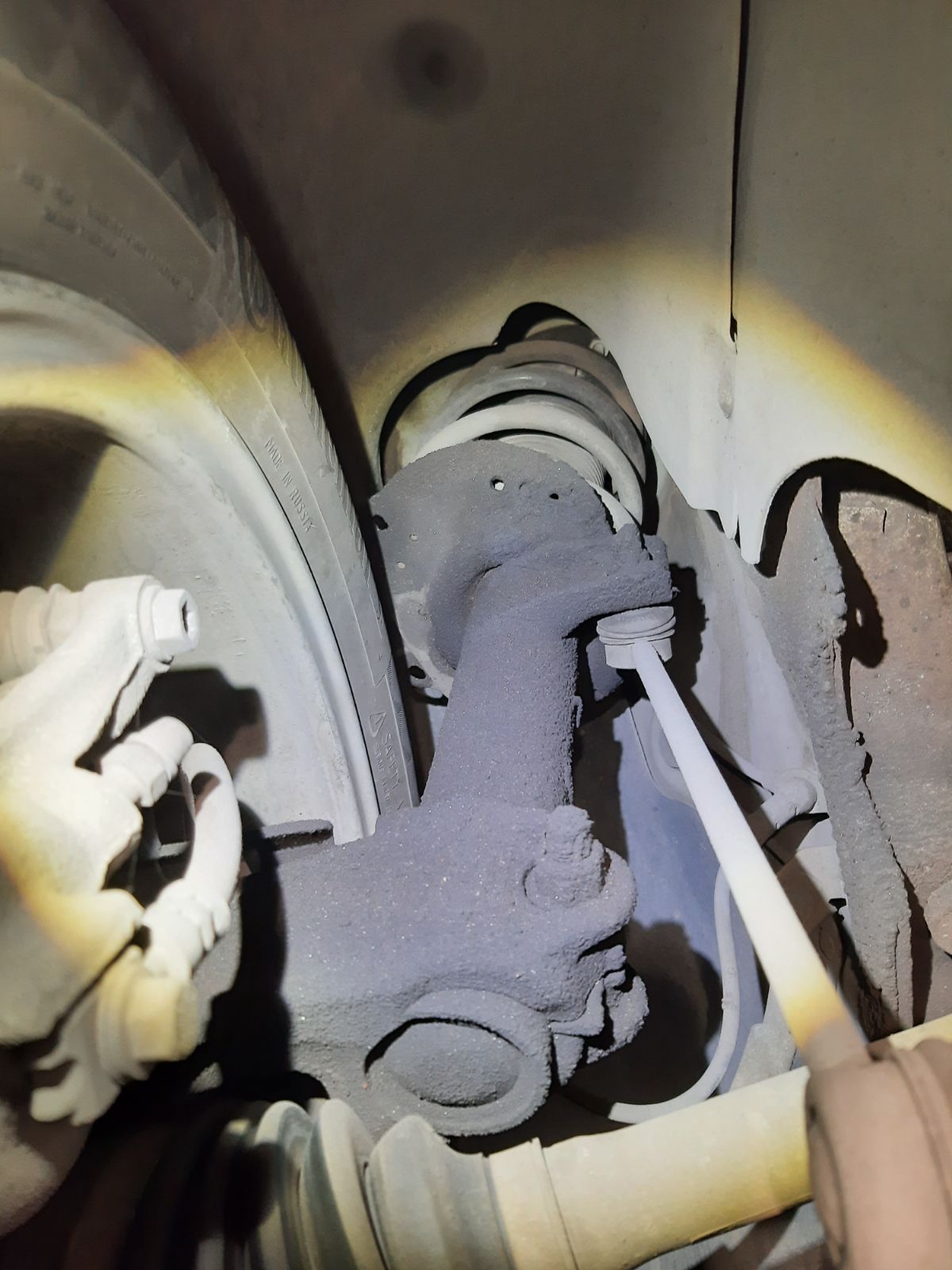
A thorough inspection of this 2022 Volkswagen Taos showed that limp mode was triggered by a fault in the mechatronics unit. This component serves as the integrated hydraulic and electronic control center of the transmission.
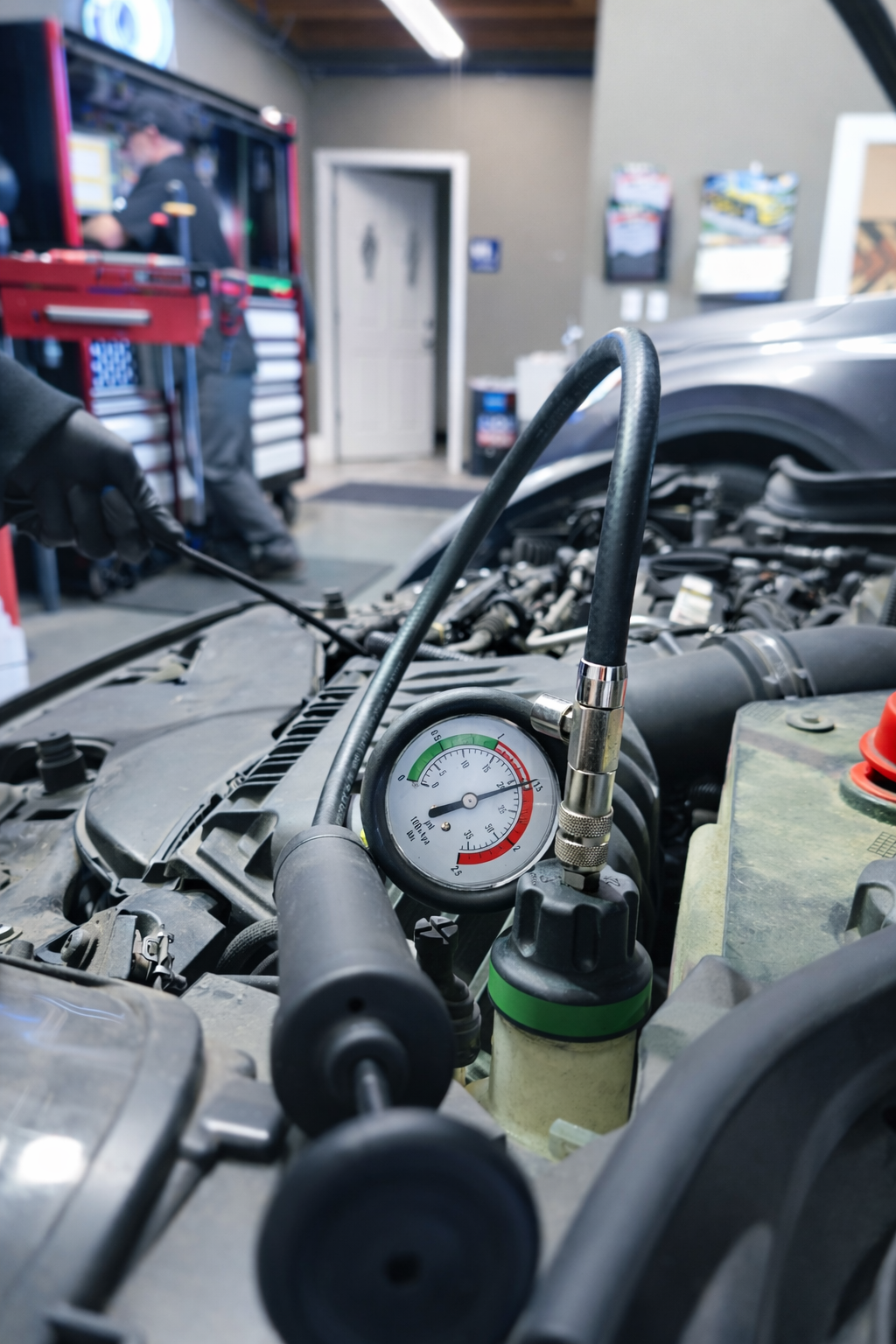
Using Volkswagen factory-level diagnostic equipment, our technician identified the transmission control faults associated with the component. Additional testing confirmed that the mechatronics unit had deteriorated beyond what software updates or recalibration could correct.
Because similar symptoms can have several possible causes, a mechatronics unit should not be replaced based on a warning light or diagnostic code alone. The complete transmission control system should be tested before a repair is recommended.
Resolution Steps for Volkswagen Transmission Mechatronics Unit Replacement
To correct the transmission limp mode condition on this Volkswagen Taos, our factory-trained technicians followed a complete diagnostic and repair process.
What Should I Do If My Transmission Is Going Into Limp Mode?
Have your vehicle inspected as soon as possible if the transmission enters limp mode. Limp mode is a protective feature that limits power or transmission operation after the vehicle detects a fault.
Avoid extended driving, hard acceleration, towing, or high-speed travel while the vehicle is operating in limp mode. Depending on how the vehicle is performing, towing it to a qualified repair facility may be the safest option.
How Does a Mechatronics Unit Affect Transmission Performance?
The mechatronics unit is the integrated hydraulic and electronic control center of many modern transmissions. It helps manage hydraulic pressure, clutch operation, gear engagement, and communication between the transmission and other vehicle systems.
When the mechatronics unit develops a fault, the transmission may shift harshly, hesitate, remain in one gear, display a warning light, or enter limp mode. However, these symptoms do not automatically prove that the mechatronics unit has failed, which is why proper testing is important.
What Can I Expect During a Mechatronics Unit Replacement?
The process begins with diagnostic testing to confirm that the mechatronics unit is responsible for the transmission problem. Once the diagnosis is verified, the faulty component is removed and replaced with the appropriate OEM unit.
The replacement unit must then be programmed and adapted to the vehicle using compatible diagnostic equipment. The repair is completed with a post-repair scan, applicable fluid checks, adaptation procedures, and a road test.
Why Are Professional Transmission Diagnostics Important?
Transmission warning lights and limp mode can be caused by several different systems. Replacing parts based only on symptoms or one fault code can lead to an expensive repair that does not correct the underlying problem.
Professional testing helps determine whether the issue is related to the mechatronics unit, transmission fluid, wiring, sensors, software, hydraulic pressure, or internal transmission wear.
How Can I Help Prevent Transmission Limp Mode?
Follow the Volkswagen maintenance schedule for your vehicle's specific model year, engine, and transmission. Use the correct manufacturer-approved transmission fluid and have any leaks, warning lights, hesitation, or unusual shifting inspected promptly.
Not every electronic or mechanical failure can be prevented, but proper maintenance and early diagnosis may reduce the likelihood of a minor concern developing into a more expensive transmission repair.
Can Transmission Control Codes Be Cleared Without Repairing the Problem?
Diagnostic codes can sometimes be cleared temporarily, but clearing a code does not correct the condition that caused it. If the underlying problem is still present, the warning light or limp mode will usually return.
Fault information should be documented and diagnosed before codes are cleared, since the stored information may provide useful details about when and why the problem occurred.
Prevention Through Maintenance
Staying current with manufacturer-recommended maintenance and responding quickly to warning lights are two of the best ways to protect a modern Volkswagen transmission. Fluid requirements and service intervals vary by transmission type, so maintenance should be based on the vehicle's factory specifications rather than a universal schedule.
When to Seek Professional Help
Schedule professional diagnostics when your Volkswagen displays a transmission warning light, enters limp mode, struggles to change gears, or begins shifting differently than normal.
At Peak Euro, our technicians use advanced diagnostic equipment to test the complete system, verify the cause of the problem, and explain the available repair options before work begins.
Volkswagen Transmission Diagnostics in Bend, Oregon
This 2022 Volkswagen Taos required an OEM mechatronics unit replacement and factory-level programming to correct its transmission limp mode condition. Another Volkswagen with similar symptoms may have an entirely different underlying problem, which is why every repair should begin with a complete diagnosis.
Peak Euro provides Volkswagen diagnostics, maintenance, and transmission repair in Bend, Oregon. Our team is committed to providing accurate answers, clear recommendations, and repairs backed by our industry-leading 5-year nationwide warranty.