Suspension Wear Can Be Easy to Miss
Shock absorbers and struts rarely fail all at once. Their performance typically declines gradually over thousands of miles.
That slow change can make suspension wear difficult to recognize. A driver may become accustomed to slightly more body movement, a rougher ride, or less precise steering without realizing the vehicle no longer responds the way it once did.
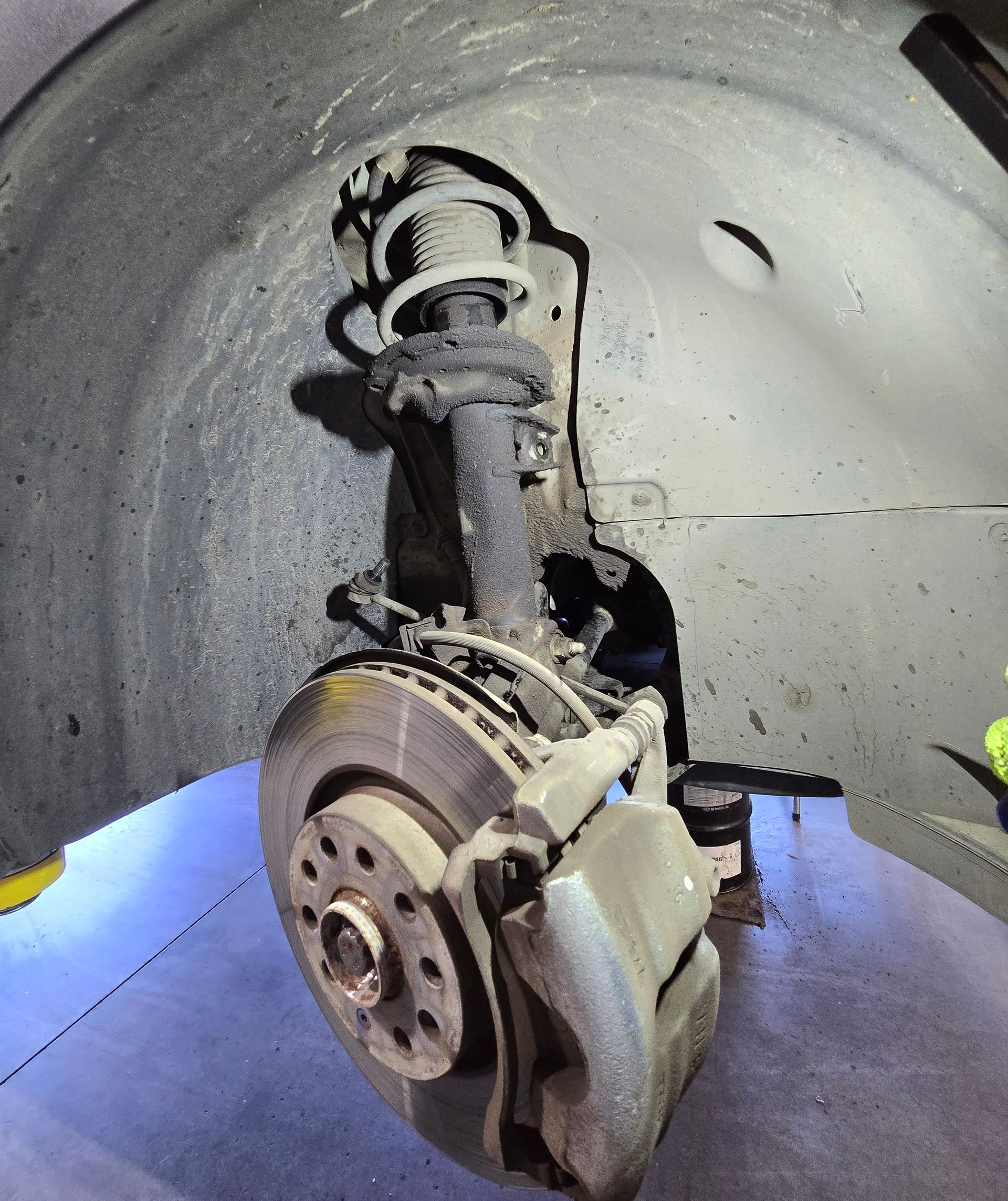
This is especially important on a Volkswagen Golf Alltrack. Its suspension contributes to the comfortable ride, predictable handling, and confident traction that make the vehicle so versatile. When the front shock absorbers begin losing their ability to control suspension movement, the effects can reach beyond comfort.
What Could Have Happened if the Repair was Delayed?
Continuing to drive on worn shock absorbers does not guarantee an immediate breakdown. That is exactly why the repair is easy to postpone.
The larger concern is the effect worn dampers can have over time. Reduced suspension control can contribute to uneven tire wear, difficulty maintaining alignment, increased body movement through corners, and reduced stability over rough pavement.
Other suspension and steering components may also absorb more stress when the shock absorbers are no longer controlling movement effectively.
In an emergency braking or avoidance maneuver, maintaining consistent tire contact with the road becomes especially important. Suspension repairs are not only about making the ride feel smoother; they help preserve how predictably the vehicle responds.
Why an Alignment Matters After Strut Replacement
Replacing front struts requires disturbing parts of the suspension that influence wheel alignment.
Even small changes in suspension geometry can affect how the tires meet the road. That is why completing an alignment after strut replacement is an important part of doing the repair correctly.
The alignment helps the Golf Alltrack track straight, respond predictably to steering input, and avoid unnecessary tire wear. Replacing the worn components without checking alignment would leave the job only half finished—and nobody likes paying for the sequel.
Preventative Maintenance Goes Beyond Oil Changes
Oil changes are an essential part of vehicle maintenance, but preventative care includes the systems that help the vehicle steer, stop, and remain stable too.
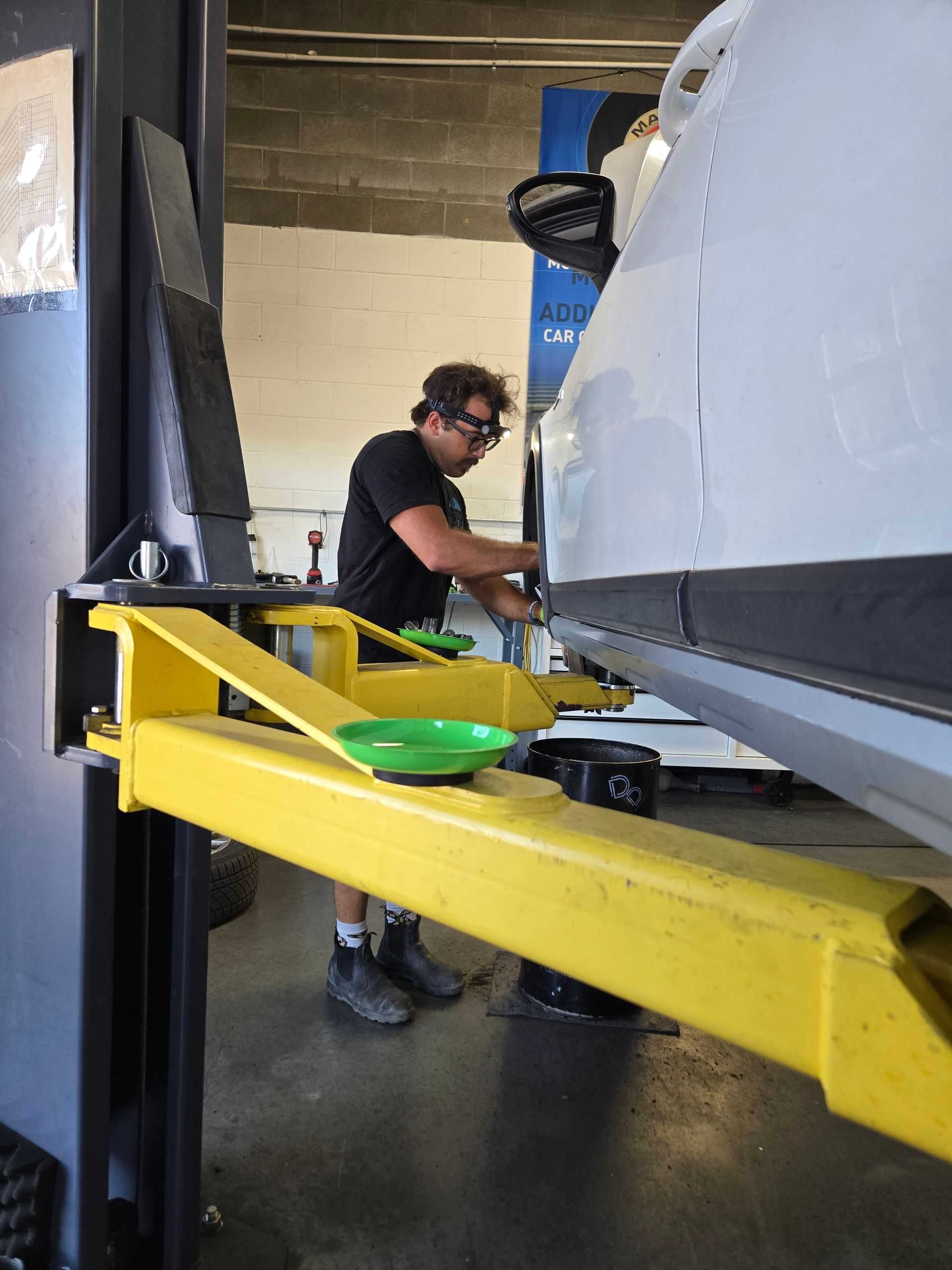
During an inspection, our technicians look at components such as shock absorbers, struts, control arm bushings, ball joints, sway bar links, tie rods, and tires. Finding wear before it creates an obvious symptom gives the vehicle owner more control over the timing and cost of the repair.
That does not mean every aging component must be replaced immediately. It means the customer receives clear information about its condition, why it matters, and what could happen if the repair is postponed.
Signs of Worn Volkswagen Struts
Although this customer had not noticed a specific problem, Volkswagen owners may eventually experience excessive bouncing after bumps, increased body movement during turns, uneven or cupped tire wear, nose-diving while braking, or a ride that feels less controlled than it once did.
Because these changes often develop slowly, an inspection can uncover suspension wear before it becomes obvious from the driver’s seat.
Volkswagen Suspension Repair in Bend, Oregon
At
Peak Euro in Bend, Oregon, we service Volkswagen suspension and steering systems with a focus on accurate inspections and clear recommendations.
Whether you drive a
Volkswagen Golf Alltrack, GTI, Golf R, Tiguan, Jetta, Passat, or Atlas, our goal is to help you understand what your vehicle needs now, what can wait, and why the recommendation was made.
This Golf Alltrack did not arrive with a dramatic suspension complaint. The customer simply chose to act before worn front struts created noticeable handling problems, alignment concerns, or avoidable tire wear.
Sometimes the smartest repair is the one completed before the vehicle starts asking for it.